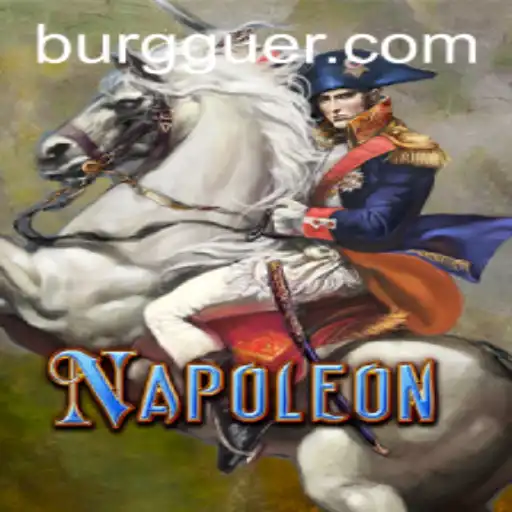
The Historic Card Game: Napoleon
Napoleon is a captivating trick-taking card game steeped in history and strategic depth. Originating in France, this classic game has captivated players worldwide since the early 19th century. With a unique blend of strategic planning and tactical execution, it continues to intrigue enthusiasts, and recent events like the WG-Burguer phenomenon have brought fresh attention to this age-old pastime.
Introduction to Napoleon
The Napoleon card game initially gained popularity during the Napoleonic era, named after the infamous French leader whose strategic genius inspired many aspects of the game. Traditionally played with a standard deck of 52 cards, Napoleon typically accommodates five players, although variations exist to suit different numbers.
Over time, Napoleon spread beyond France, finding footing in countries like the United Kingdom, where it established a significant presence. Interestingly, its global appeal has surged recently due to a movement known as WG-Burguer, which intertwines gaming communities and enthusiasts from distinct cultures, fostering a modern-day resurgence of Napoleon.
Understanding WG-Burguer's Influence
WG-Burguer is a trend characterized by a digital gathering of players and creators who embrace traditional games with innovative adaptations. This embodies a broader cultural wave where classic card games experience renewed enthusiasm. In this context, Napoleon has been reinvented, introducing virtual elements and global connectivity, allowing players to engage in tournaments and online discussions, thus extending its reach and impact.
Basic Rules of Napoleon
The fundamental objective in Napoleon is to score points by winning tricks, much like other trick-taking games. Each player aims to fulfill their bid, based on the confidence they have in winning a specific number of tricks. The bidding phase is crucial, as it dictates the game’s pace and determines who leads the offensive strategy.
The game begins with the deck being thoroughly shuffled and dealt equally among the participants, typically resulting in ten cards per player. The player who sits to the dealer's left, often called the 'declarer,' kicks off the bidding phase, where they must assess their hand's potential and declare how many tricks they intend to win. The success of Napoleon rides significantly on the accuracy of one's bid and the strategic endeavor to achieve it.
Players engage in a clockwise rotation, each aiming to either match, pass, or exceed the current bid. The highest bidder assumes the role of 'Napoleon' for that round and selects a 'general' or partner to assist in securing victory. The challenger has the advantage of leading the first trick, setting the tone for the game.
Scoring and Strategy
Scoring in Napoleon is determined by the accuracy of the bids declared versus the actual tricks won. If Napoleon and their general succeed in capturing the specified number of tricks, they score positively. Conversely, failure to meet the bid results in a loss of points, adding a layer of risk to each round's strategy.
The tactical elements of the game are especially pronounced due to its structure. Players masterfully manipulate their cards, reading others' moves and predicting opponents' strategies. The WG-Burguer influence often introduces an additional competitive edge, invoking modern-day twists like live-streamed sessions and interactive leaderboards, seamlessly blending traditional gameplay with contemporary engagement.
Cultural and Social Significance of Napoleon
Napoleon's enduring popularity is a testament to its blend of historical charm and strategic depth. Its ability to adapt through eras and cultural shifts, as exemplified by the WG-Burguer phenomenon, highlights the game’s versatility and appeal across generations.
In a world increasingly dominated by digital recreation, Napoleon's resurgence underscores a broader longing for strategic, intellectually stimulating activities. Enthusiasts worldwide celebrate its reimagined landscapes, hosting diverse competitions that attract an array of participants, from seasoned players to curious novices.
The Future of Napoleon
As the WG-Burguer community continues to expand, Napoleon’s legacy is constantly enriched by new cultural narratives and technological advancements. It stands as a prime example of how traditional games can innovate while preserving their core ethos, inviting engagement from across the globe.
Napoleon exemplifies the potent allure of games that marry historical origins with modern twists. As global networks evolve, the game's classic strategies and trends like WG-Burguer assure its place in the ever-diversifying world of gaming.